Locations


Assessment and Prioritisation
Effective crack sealing programs start with a clear understanding of pavement condition. A structured assessment identifies where cracking is present, how far deterioration has progressed and which locations will deliver the strongest financial return. Key factors include crack severity, traffic volumes, structural capacity and remaining service life. Accurate assessment ensures each treatment targets pavements that will benefit most from preventive intervention. This strengthens long term value and supports reliable service levels.
Program Design and Scheduling
A well designed program coordinates crack sealing with other maintenance activities to improve efficiency. Planning may include scheduling treatments before surface works, aligning with utility activity and selecting weather windows that support proper material performance.
Traffic Management and Site Planning
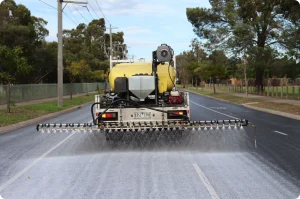
Safe and efficient work zones are essential for successful crack sealing. Professional traffic management supports smooth operations, protects crews and reduces disruption for road users. Integrating traffic planning into the program also helps maintain productivity across high volume sites and sensitive locations.
Quality and Performance Focus
Program success depends on the use of proven materials and experienced application teams. Quality control throughout the process ensures strong bonding, consistent coverage and durable long term performance. Organisations that follow established procedures see higher treatment success rates and improved cost savings across their networks.
Durability and Service Life
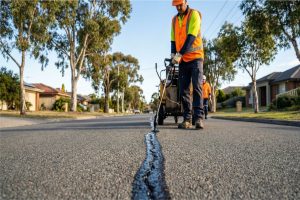
Professional crack sealing using quality materials typically provides five to nine years of effective performance. This durability allows multiple preventive cycles before the pavement reaches the point where major rehabilitation is required. Consistent performance monitoring across councils and road authorities shows that treatment success improves as programs mature and assessment methods become more precise.
Importance of Professional Standards
The strength of these outcomes relies on correct application. Substandard materials or improper techniques can reduce treatment life or allow moisture to remain within the pavement. Professional crews with established procedures deliver the most reliable results and support the long term financial gains associated with preventive maintenance.
Risks and Implementation Challenges
Timing and Pavement Condition
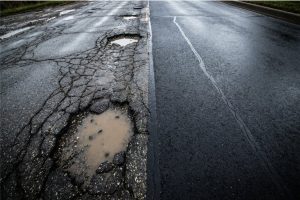
Treatments need to occur after cracks have formed and while the underlying structure still has sound strength. If applied too early, the pavement may not receive the full benefit. If applied too late, deeper structural issues can reduce effectiveness.
Accurate condition assessment helps identify this optimal window and ensures the investment supports long term performance.
Material and Method Requirements
Poor workmanship, trapped moisture or uneven coverage can reduce treatment life and may contribute to further deterioration. Professional crews with experience in specialist crack sealing achieve more reliable outcomes and extend the service life of the pavement.
Environmental and Weather Factors
Temperature, surface dryness and overall weather conditions influence application success. Conducting work during suitable weather windows helps sealants bond correctly and perform as intended. Programs that incorporate seasonal planning often record higher durability and fewer follow up repairs.
Operational Constraints
Busy networks, high traffic volumes and limited access windows can make scheduling more complex. Integrating traffic management and clear site planning reduces these challenges and supports efficient delivery.
SuperSealing Delivers the Best Long Term Value
SuperSealing provides specialist crack sealing backed by trained crews, proven materials and certified management systems. SuperSealing has proudly delivered professional crack sealing programs across Australia and New Zealand for more than twenty years. This capability gives asset owners confidence that each treatment is delivered to a high standard and timed for maximum value.
Get in touch with SuperSealing today to arrange a pavement assessment and see how strategic crack sealing can strengthen your network while protecting your maintenance budget.
Frequently asked questions
FAQs
What pavement conditions are most suitable for crack sealing?
Crack sealing performs best on pavements with surface cracking and sound underlying strength. A professional assessment identifies locations where the treatment will deliver the strongest long term value.