Locations


The Cost Curve
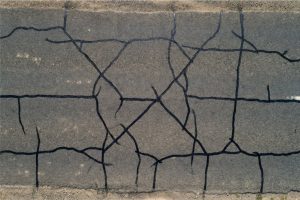
Pavement deterioration follows a predictable pattern where small defects lead to larger structural issues when left untreated. Early-stage cracking may cost only a few dollars per metre to address, while untreated cracking can lead to reconstruction costs that reach hundreds of dollars per square metre once water has weakened the underlying layers.
The Optimal Intervention Point
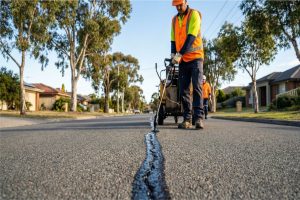
The most effective point for crack sealing occurs when pavements show visible cracking but still retain underlying strength. Treating cracks at this stage prevents moisture entry, slows deterioration and preserves the structural capacity of the pavement.
Long Term Financial Performance
Lifecycle cost studies show that preventive maintenance consistently outperforms reactive repair approaches. Networks that incorporate crack sealing into their asset management programs often reduce total lifecycle expenditure by 40 to 60 percent. The financial advantages grow as networks age and traffic loads increase, making early intervention one of the most effective tools for maintaining performance while managing long term costs.
The Financial Mechanics of 800 Percent ROI
Cost Avoidance in Practice
The strong return on investment delivered by crack sealing is driven by cost avoidance. When completed at the right stage, this process prevents reconstruction work that would be more expensive per square metre once the damage spreads.
For example: a program treating ten thousand linear metres at a cost of around thirty thousand dollars can prevent reconstruction expenses that may exceed two hundred thousand dollars. This gap forms the basis of the 800 percent return often recorded in well planned programs.
Value Over Time
The financial benefit increases through the additional service life provided by effective treatments. Crack sealing typically extends pavement performance by five to nine years, which delays major reconstruction and creates further savings over time. The value becomes even stronger in environments where material and construction costs rise each year. Deferring reconstruction in these conditions protects budgets and reduces long term financial pressure.
Compounding Benefits for Asset Managers
Each successful treatment cycle increases the service life of the pavement and reduces the frequency of major interventions. This allows organisations to manage their networks with greater stability and clarity. Early intervention also limits disruption for road users and reduces the pressure on maintenance teams, which supports more efficient delivery across all assets.
Evidence and Supporting Data
Industry Performance Metrics
Independent studies consistently highlight the financial value of strategic crack sealing. Many programs record returns in the range of 600 to 900 percent when treatments are applied to pavements that still retain structural strength.
Australian results often show even greater gains, particularly in regions with extreme temperatures where pavements deteriorate more rapidly. These environments benefit from early sealing that reduces moisture entry and slows structural wear.
Comparison with Alternative Strategies
Treatment Options and Cost Effectiveness
Crack sealing offers one of the strongest returns among common pavement treatments when applied to pavements with sound structural capacity. Surface patching, overlays and reconstruction all have a role within an asset management program, although these treatments carry higher costs and are best suited to more advanced deterioration.
Professional assessment ensures each pavement receives the most suitable treatment. Matching intervention type to pavement condition is essential for achieving strong financial outcomes and maintaining service quality.
Treatment Comparison Table
| Treatment Type | Best Use Case | Typical Cost Range | Expected Service Life | Primary Benefits | How SuperSealing Delivers This Treatment |
| Crack Sealing | Early stage cracking with sound structural capacity | Low cost per linear metre | 5 to 9 years | Prevents water entry, slows deterioration, strong ROI | Delivered through specialist crews using proven materials and established application procedures |
| Surface Patching | Localised failures or small defects that have moved beyond early cracking | Moderate cost per square metre | 1 to 3 years | Addresses isolated problem areas and restores short term function | Undertaken as part of broader maintenance programs when required |
| Overlay Applications | Worn surfaces that still hold structural strength | Higher cost per square metre | 8 to 12 years | Improves ride quality and surface condition | Coordinated with sealing programs to maintain continuity across the network |
| Full Reconstruction | Pavements with widespread structural failure | Highest cost per square metre | 15 to 25 years | Restores full pavement structure and capacity | Supported by preventive work that reduces the need for frequent reconstruction |
| Surface Preservation Solutions | Pavements requiring improved durability and extended service life | Moderate cost per square metre | Varies by treatment | Enhances surface performance and reduces future deterioration | Delivered through products such as GuardTop and CoolRoads solutions |
SuperSealing Delivers the Best Long-Term Value
SuperSealing provides specialist crack sealing backed by trained crews, proven materials and certified management systems. SuperSealing has proudly delivered professional crack sealing programs across Australia and New Zealand for more than twenty years. This capability gives asset owners confidence that each treatment is delivered to a high standard and timed for maximum value.
Get in touch with SuperSealing today to arrange a pavement assessment and see how strategic crack sealing can strengthen your network while protecting your maintenance budget.
Frequently Asked Questions
How is the 800 percent ROI calculated?
The return comes from cost avoidance. A small investment in crack sealing prevents reconstruction work that can be many times more expensive. Independent studies show that every dollar spent on crack sealing can protect up to eight dollars in future reconstruction costs.
How long does professional crack sealing last?
Quality crack sealing typically provides five to nine years of effective performance. Service life varies with traffic loading, climate and overall pavement condition.
How do we measure crack sealing success?
Common indicators include reduced emergency repairs, extended pavement life, improved condition ratings and documented cost avoidance across the network.
What factors influence crack sealing performance?
Key factors include pavement condition, moisture levels, temperature, traffic volumes, sealant quality and the precision of the application process. Accurate assessment and professional installation support the strongest results.